
Our little family recently came into possession of the book The Night Riders by Matt Furie. First published by McSweeney’s McMullens (their children’s imprint) back in 2012, it was reprinted in 2020 (I think) in support of Furie’s campaign of lawsuits and publicity as he attempted to reclaim his character Pepe the Frog from the gibbering goons who had hoisted the character onto their message boards as a symbol of hate. I love this book.
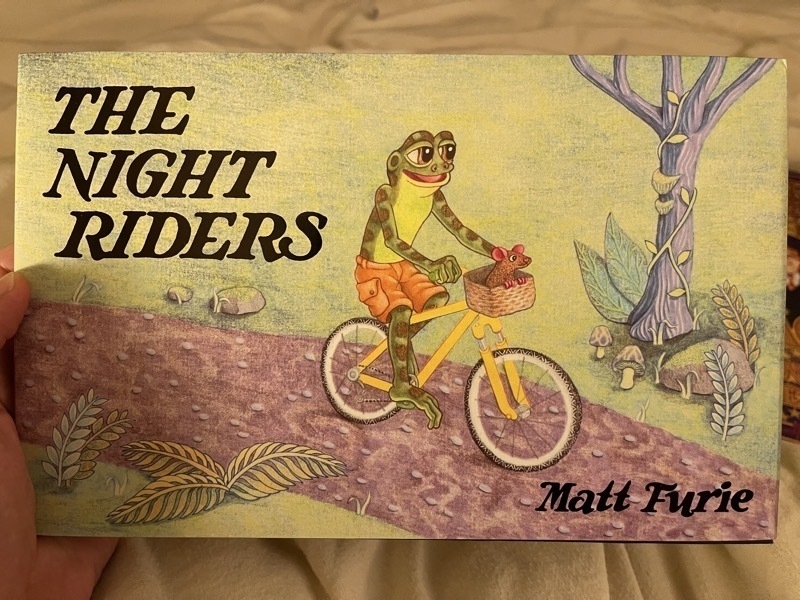
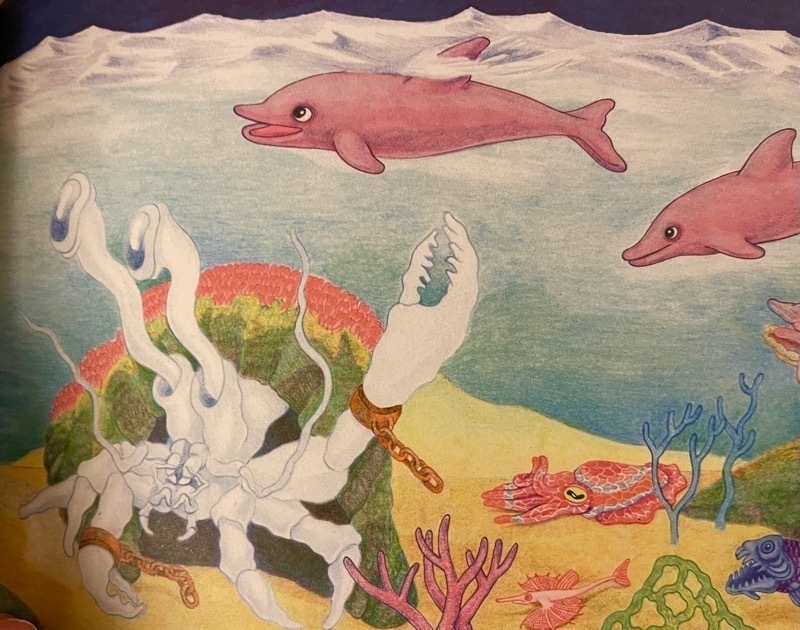
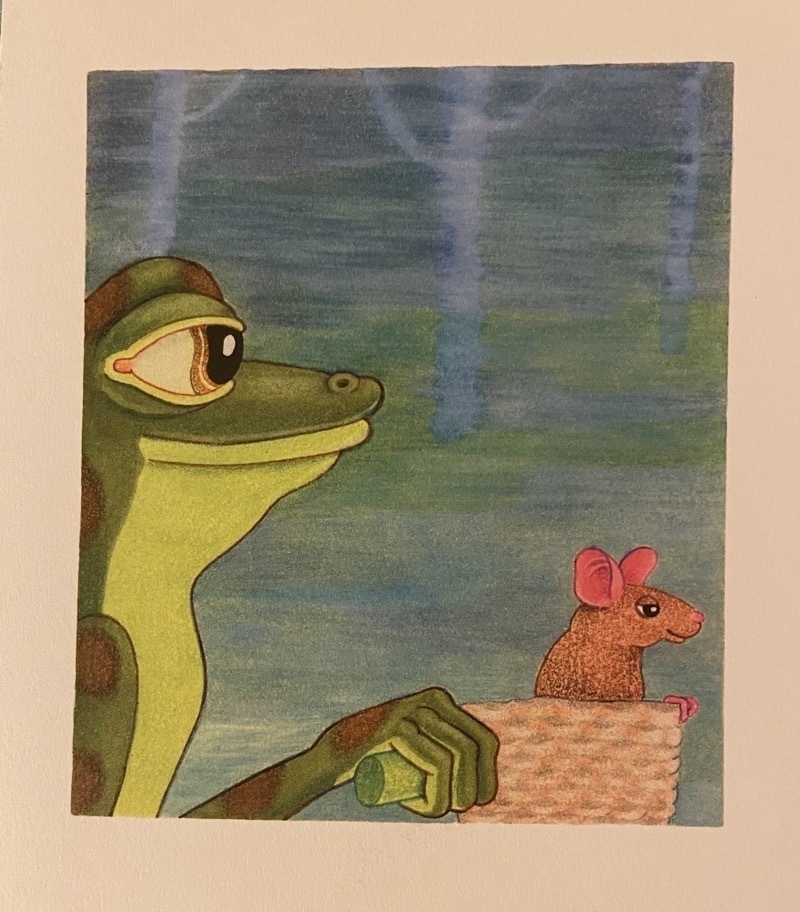
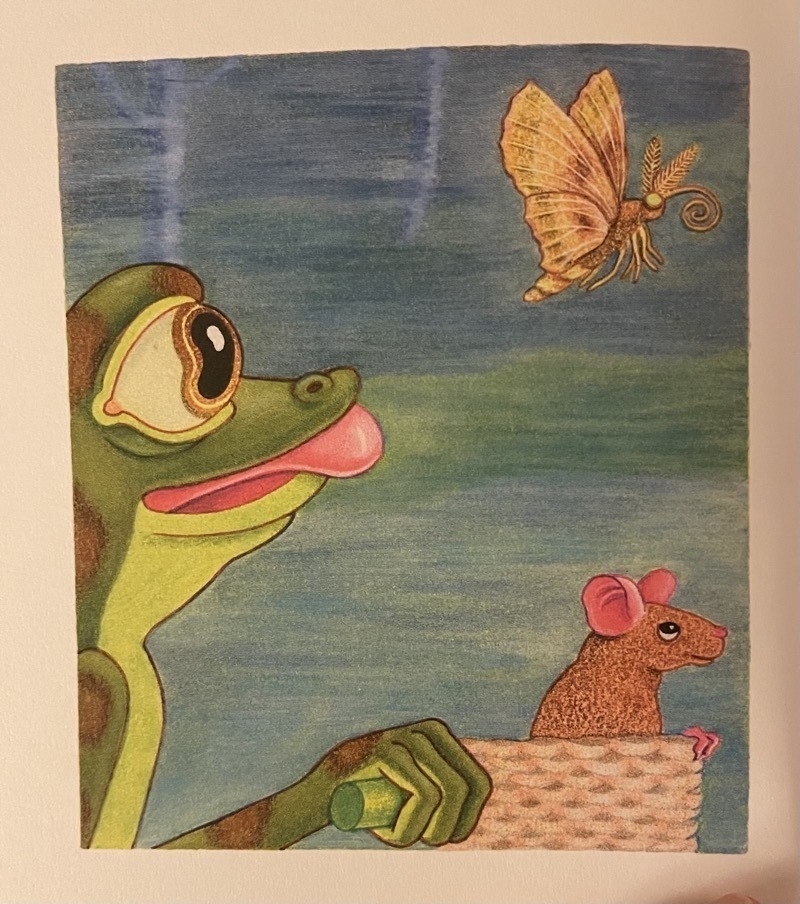
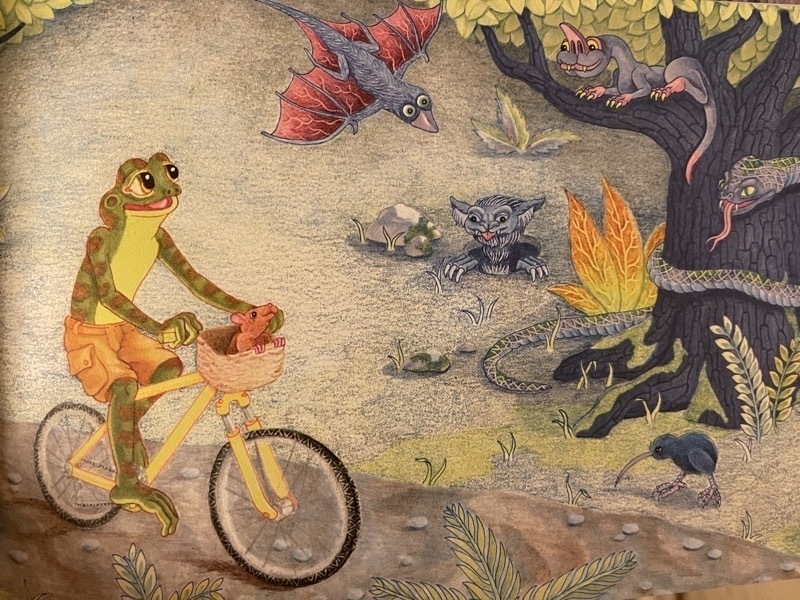
Wordless, its 48 pages follow Pepe and his friend, a rat, as they eat dinner (insects for Pepe, lettuce for the rat), go for a bike ride, encounter a dragon, hassle a subterranean bat friend, go for a swim, escape a giant crab with some help from two Lisa Frank-ass dolphins, and watch the sun rise.
You’ve received this edition of Lightplay because you signed up to hear from me, the writer Jasper Nighthawk. You can always unsubscribe.
Furie’s style is zine-y and outsider-y, funny but also sharply observed. It does that thing I want all art to do: makes me feel I am experiencing the world through someone else’s sensibility. Though the content is fantasy, the work often feels intimate, even voyeuristic, like you’re pawing through your stoner buddy’s sketchbook while he’s in the bathroom.
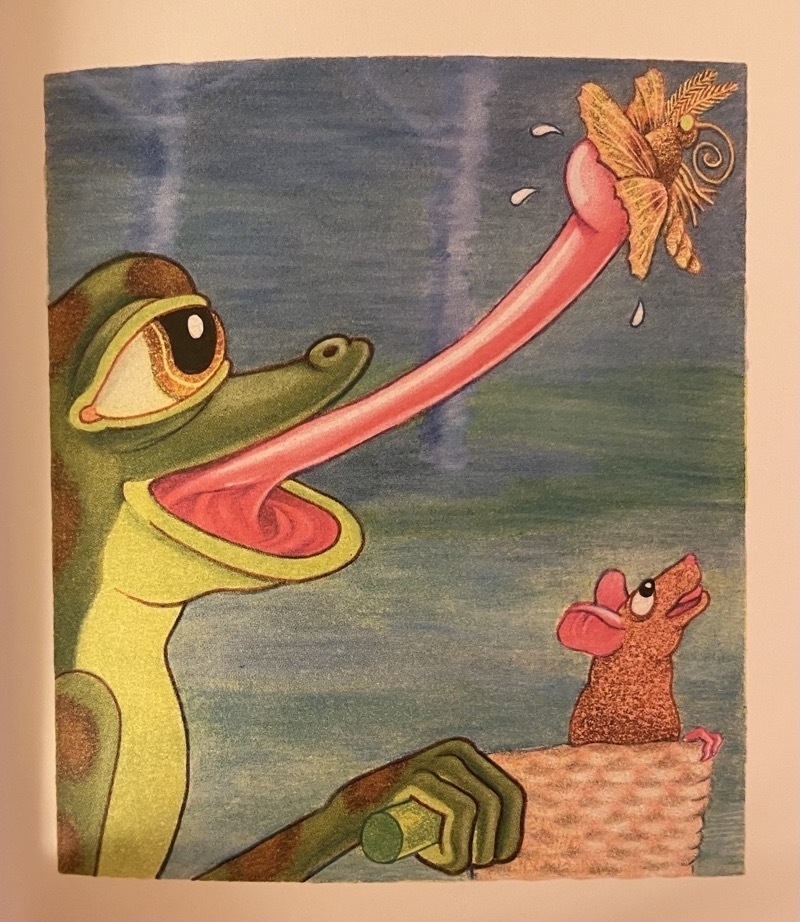
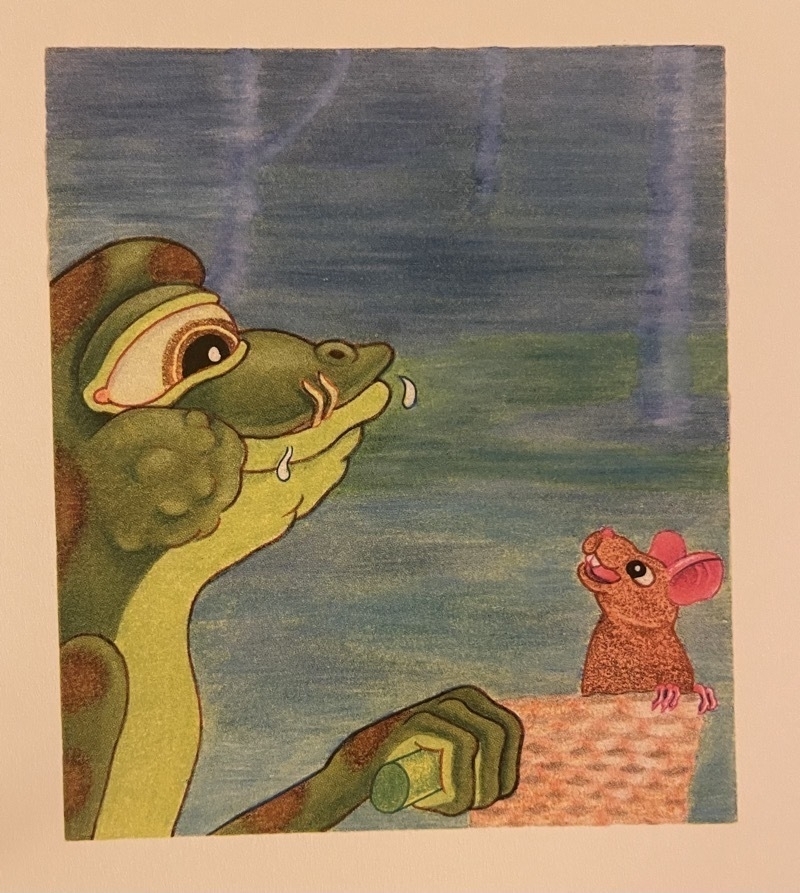
The feeling of reading The Night Riders echoes back a memory: a spring evening, riding down the backstreets of Cambridge and Somerville on the orange street bike Thalassa willed to me when she graduated, smoking a cigarette as I coast, the chain slipping clickily off the freehub, the warm evening breeze billowing through my wool blazer, the pedals slipping under my dress shoes, and me feeling like a bird on wing, like my feet might never again touch the ground.
Note: I initially posted this brief essay about The Night Riders on my blog, jasper.land. I’m reprinting it here because I don’t think more than a handful of people ever saw my stuff over there! Blogging is awesome. It’s also anachronistic. For perhaps obvious reasons, I’ve decided to shift my efforts back to this email newsletter. I may eventually resurrect a few other pieces from the old blog.

This week on YKWG: blowing on a cup of tea, catching your cat being a weirdo, finishing a piece of kit, and not being congested.
I also launched Season 8 of my work podcast. The first episode is my interview of Stephanie Helms Pickett, Antioch University’s Vice Chancellor of Equity, Belonging, and Culture. We titled it Making the Positive Case for DEI in Higher Education.

I was trying to explain to my kid a slightly complex concept—that we weren’t going to see our friends today, we weren’t going to see them tomorrow, it would be the day after tomorrow when we saw them—when I realized the clunkiness of this formula. The best we can do is the day after tomorrow? It’s fine for a movie title; as shorthand for the concept of two days hence, well, it’s neither short nor handy. Russian has it so much better: poslezaftra. Literally “after tomorrow.” Three syllables, and they roll off the tongue. So, I thought, what would that be in English? Aftermorrow.
My feelings of unique genius didn’t survive an encounter with an internet search engine. (When do they ever?) It turns out not only have others already proposed this coinage, our language already has a term that’s similar but even better: overmorrow.
Let’s bring it back!
Everyone who loves poetry should “The Los Angeles Times Insults Iconic Poet Sharon Olds.” In this latest installment of Not Knowing How, Lisa Locascio Nighthawk calls out the Times for its slimy, misogynist invocation of Olds’s writing in a piece about her son’s criminal defense. “Gone are the accolades, the years of work with students, the ordinary domestic joys and sorrows described exactly,” she writes. The piece not only raises the alarm about this specific piece but also warns of a cultural shift towards anti-intellectualism and anti-feminism. De plus, it contains rich memories of visiting Olds at her apartment and two favorites of her poetic oeuvre.
I’m nearing the end of an enormous annual work project, and I was telling my dad about the many twists and turns, and he said, “Ah yes, have you reached the stage of the celebration of the non-participants yet?” Here the source is, from the proceedings of the annual conference of the Association for Computing Machinery in 1975:
A SOFTWARE DEVELOPMENT CHRONOLOGY:
WILD ENTHUSIASM
FEVERISH ACTIVITY
DISILLUSIONMENT
TOTAL CONFUSION
SEARCH FOR THE GUILTY
PUNISHMENT OF THE INNOCENTS
PROMOTION OF THE NON-PARTICIPANTS
(Originally posted on jasper.land; specific text via The Big Apple.)

I loved this beautiful portrait of a woman, her son, and the apartment in San Francisco’s Noe Valley that they have lived in for the last 31 years.
Now renting for $2,211 including water and trash, it’s an absolute steal in a neighborhood where a three-bedroom can rent for more than $6,000 and houses can sell for $2 million.
Quietly, with glowing photographs and precise text, it builds a case for rent control, for a regular nurse being able to live in the city she works in, and for the idea that for us non-millionaire humans to thrive, we don’t need so incredibly much, but we do need more than our society currently affords most of us.
Our kid’s backpack was breaking, the stitching that connects the top handle to the rest of the backpack pulling out. So my partner suggested we take it to the dry cleaners in the strip mall by our kid’s preschool. The kid and I dropped it off, and three day’s later, we came back, the kid handed the proprietor our ticket, and we received the bag. They had fixed the handle and cleaned it. It nearly glowed. Want to wear my new backpack, he said.
What if we changed it so “new” just meant “lovingly, recently cared for”?
If you wake up early and you’re not in a hurry, why not just lay there for a while, listening to the sounds of the birds, and the city waking up all around you. Enjoy a quiet, warm little snuggle as you start your day.
